Travel Vaccinations At Noosa Medical Centre: What You Need Before You Fly

If you're planning an overseas trip from the Sunshine Coast, timing your travel vaccinations matters as much as choosing the right ones. Most travel vaccines take four to six weeks to reach full effectiveness, and multi-dose schedules can push that out further, which is why booking early with a Noosa medical centre is one of the most useful things you can do before you fly.
At Tewantin Medical Centre, our team helps Noosa-area travellers work out which vaccines suit their destination, itinerary and health history, then builds a plan around the departure date rather than a generic checklist.
What Vaccinations Do You Need Before Travelling Overseas?
There's no single answer – it depends on where you're going, how long you're staying and what you'll be doing while you're there. A city stopover carries different risks to a rural trek, and a two-week holiday looks different to a three-month posting.
For Noosa residents, the most common overseas destinations are Bali, broader Southeast Asia and the Pacific Islands. These regions typically bring up conversations about Hepatitis A, Typhoid and Japanese Encephalitis, alongside routine boosters like tetanus and diphtheria if they've lapsed. Malaria prevention may also come up depending on the country and season, along with practical guidance on insect protection and food and water safety.
Hepatitis A and Typhoid are common recommendations because both spread through contaminated food and water – a relevant consideration across many popular holiday destinations in the region. Japanese Encephalitis is a mosquito-borne illness that becomes more relevant for travellers spending extended time in rural or agricultural areas, particularly during wetter seasons. It's not automatically recommended for every trip, which is part of why a consultation matters. Your GP can assess your actual exposure risk rather than applying a blanket recommendation.
How Far in Advance Should You Book Travel Vaccinations?
Book your travel vaccination appointment with a Noosa medical centre at least six to eight weeks before you fly, particularly if your destination calls for a multi-dose schedule. Some vaccines are single-dose and straightforward to fit in close to departure, but others – like the full Hepatitis B or Japanese Encephalitis series – are spread across several weeks.
Even a single-dose vaccine still needs time to build a proper immune response. That's the four-to-six-week window worth remembering: getting the injection isn't the same as being protected on day one. A vaccine given the week before you fly may not have reached full effectiveness by the time you land, particularly for diseases with higher exposure risk early in a trip.
Last-minute bookings aren't wasted, but they do limit your options. If your dates allow it, earlier is better. It also gives your GP more room to space out multi-dose schedules properly rather than compressing them. If you're travelling at shorter notice, being upfront about your departure date still lets your GP prioritise the protections that matter most for your itinerary.
Do You Need a Yellow Fever Certificate for Your Destination?
Some countries require proof of yellow fever vaccination before entry, particularly if you're arriving from – or have recently visited – a country where yellow fever is present. This is usually documented on an International Certificate of Vaccination, sometimes called a yellow fever certificate Australia travellers need to carry alongside their passport.
Whether this applies to you depends on your itinerary, including any stopovers along the way. It's worth checking entry requirements for every country on your route, not just your final destination, since transit rules can catch travellers off guard. A Noosa traveller flying to Bali via a Southeast Asian hub, for example, may need to factor in the transit country's requirements as well as the final one. Timing requirements for yellow fever certification can also differ from routine travel vaccines, so it's worth raising your full itinerary early.
What Happens During a Travel Health Consultation?
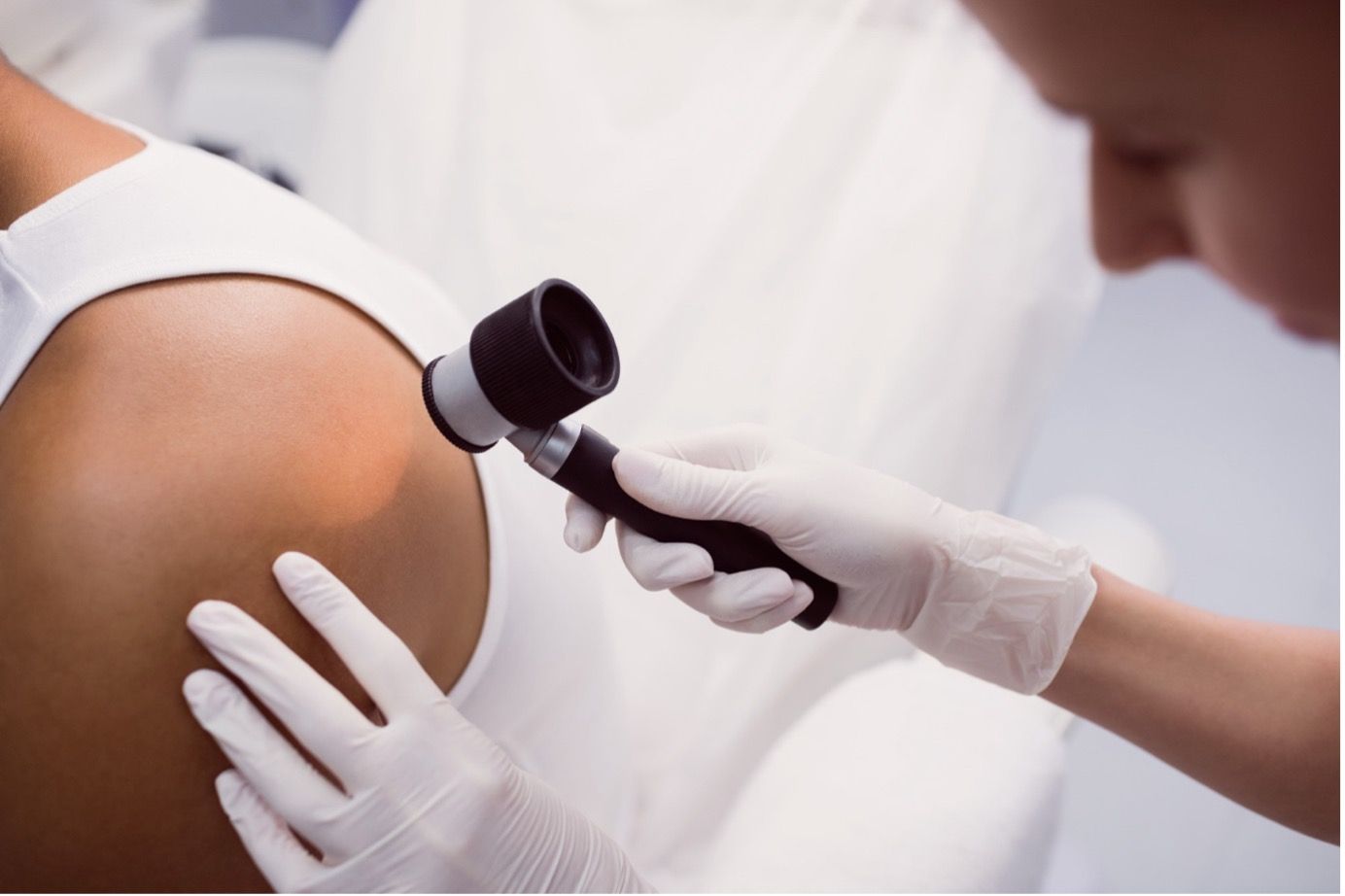
A typical consultation starts with a conversation about your trip: destinations, dates, accommodation type and planned activities. From there, your GP reviews your vaccination history and current health, then works through which vaccines and preventive measures fit your specific plans.
As an example, a Noosa traveller heading to Bali for two weeks of beach time and rural day trips might be advised differently to someone doing a short Singapore stopover – the rural component changes the risk profile, even within the same broader region. You'll usually leave with a written record of what's been given, any prescriptions for preventive medication and practical guidance for staying well while you're away, including what to do if you become unwell overseas.
If it's been a while since your last check-up, consider combining your travel consult with a broader health assessment. It's a practical way to cover routine screening alongside your travel prep, particularly if you have existing health conditions that need review before a longer trip.
Booking Your Travel Vaccination Clinic Appointment
Just as regular health checks can prevent chronic disease, timely travel vaccinations in Noosa may prevent illness before it starts – both come down to acting ahead of a problem rather than reacting to one. As a travel medicine clinic Sunshine Coast travellers can access without heading into Brisbane, we coordinate travel medicine alongside your existing GP records, so your immunisation history stays in one place for future trips too.
Our team can advise on the right combination of vaccines for your specific itinerary, including adjustments needed for age, pregnancy or existing medical conditions. Bring your travel dates and a rough itinerary to your appointment – the more detail you provide, the more tailored the advice.
Contact Tewantin Medical Centre to learn more today.
Frequently Asked Questions
Do I need travel vaccinations for every overseas trip?
Not necessarily. It depends on your destination, how long you're staying, and what activities you have planned. A GP travel consultation is the most reliable way to find out what applies to your specific trip.
How long before I fly should I book a travel vaccination appointment?
Aim for at least six to eight weeks before departure, especially for multi-dose vaccines or more involved destination requirements. This also gives your body time to build immunity before you travel.
Can I get travel vaccinations if I'm pregnant or travelling with children?
Many travel vaccines are suitable for children and pregnant travellers, though some aren't recommended at certain ages or stages of pregnancy. Your GP can talk through alternative precautions where a vaccine isn't suitable.
What if I have a chronic health condition and want to travel overseas?
Travelling with a chronic condition is common, and a travel consultation is a useful opportunity to review your medications, adjust for time zone changes and put a plan in place for managing your condition while away.
Do all countries require a yellow fever certificate?
No – it depends on your destination and travel history, including countries you've transited through. Check requirements for every leg of your trip well before booking, since entry rules can apply based on where you've been, not just where you're going.
What should I bring to my travel medicine appointment?

Your itinerary, approximate travel dates, existing immunisation records and a list of current medications. This helps your GP give advice specific to your trip rather than general guidance.