
Skin Cancer Checks Tewantin
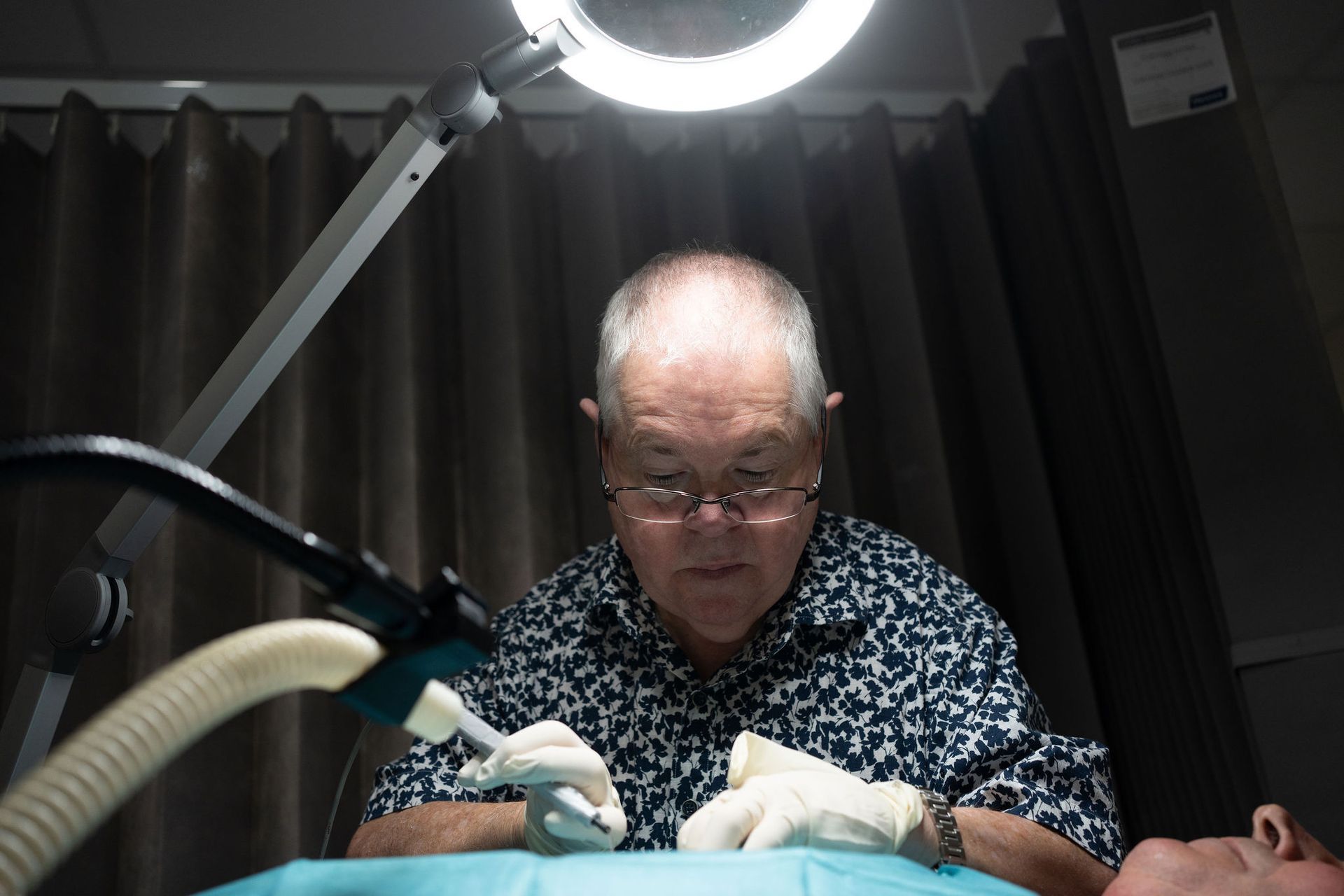
Tewantin Skin Cancer Checks
Regular skin cancer checks are an important part of preventive healthcare, helping detect changes in the skin that may require further attention. At Tewantin Medical Centre, our skin cancer checks in Tewantin are carried out by experienced doctors using a careful, thorough approach. Each appointment focuses on assessing spots, moles, and other skin changes in line with clinical standards.
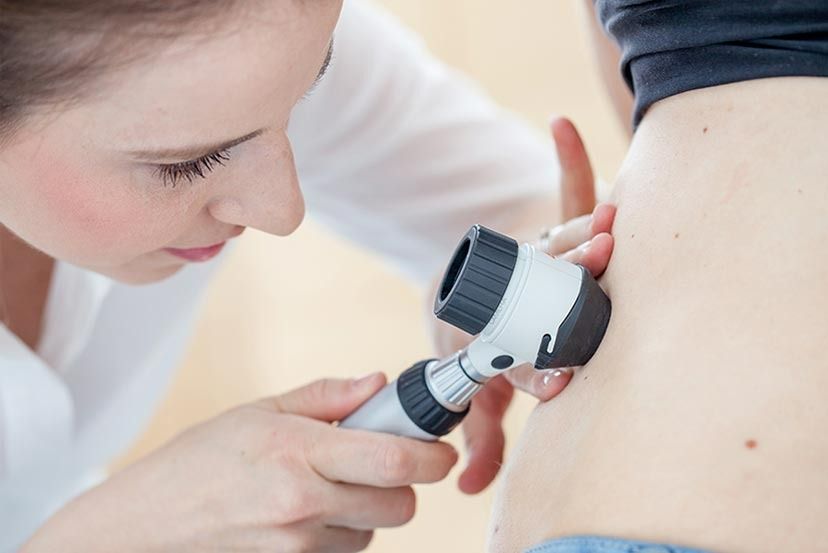
Located on Tewantin’s main street, the clinic is close to local pathology and radiology providers, making follow-up testing straightforward. Your doctor will review your health history, sun exposure habits, and any skin changes you’ve noticed before completing a detailed skin assessment. Dermatoscopes (a specialised handheld instrument used by doctors to closely examine skin lesions and moles) may be used to examine lesions more closely where needed.
This service works alongside
general practice,
women’s health, and
men’s health, keeping your medical records centralised for coordinated care. With these services available in the same clinic, follow-up and treatment planning stay consistent and accessible. To arrange a skin cancer check, call
(07) 5313 3277 and book with one of our doctors.
What to Expect during your appointment
A skin cancer check involves a close, methodical examination of your skin to look for unusual moles, freckles, or lesions that could require further review. The process is non-invasive, and conducted in a private consultation room for your comfort. Your doctor will explain each step before beginning and check in throughout the appointment to ensure you understand the process and feel at ease from start to finish.
You will be asked to remove certain clothing so your skin can be examined thoroughly and without obstruction. In many cases, a full-body check is recommended, as skin cancers can appear in areas not directly exposed to sunlight. A dermatoscope, a magnifying tool, will be used when needed to inspect lesions in greater detail. This approach helps your doctor assess each area accurately, increasing the chance of detecting any concerns early.
If a suspicious mole/lesion is found, your doctor may recommend further testing, such as a biopsy, cryotherapy (using of liquid nitrogen to ablate the area) or an excision, to confirm a diagnosis. They will also provide clear advice on self-checking, sun protection habits, and when to schedule your next appointment. You will leave with easy-to-follow instructions for monitoring changes, as well as a well-defined plan for ongoing skin health.
Frequently Asked Questions
How often should I have a skin cancer check?
People with fair skin, a history of sunburn, many moles, or a family history of skin cancer may require annual checks. Patients with a history of melanoma may require as frequent as 3-monthly skin checks. Those with fewer risk factors may need them less often. A GP specialist can help determine the right schedule by considering your skin type, lifestyle, and medical history. Regular checks improve the likelihood of detecting skin cancers early, when treatment is usually simpler and more effective.
What happens during a skin cancer check?
A doctor will examine your skin from head to toe, looking for unusual moles, freckles, or lesions. They will use a dermatoscope, a specialised magnifying tool, to assess spots more closely. You’ll be asked about any changes you’ve noticed and your sun exposure habits. If an area appears suspicious, the doctor may recommend biopsy, excision or on-referral to a general/plastic surgeon.
Does a skin cancer check hurt?
The examination itself is painless. If a biopsy or excision is recommended, the area is numbed with a local anaesthetic before a small sample or the whole lesion is removed. You may feel a brief sting from the injection and mild tenderness afterward, but these effects are usually short-lived. The doctor will provide aftercare instructions to promote healing and minimise the risk of infection.
Can I check my own skin between appointments?
Yes. Self-checks are an important part of skin health. Use a mirror or ask someone to help you check hard-to-see areas like your back, scalp, and the soles of your feet. Look for new spots or changes in size, shape, or colour of existing moles. Pay attention to lesions that itch, bleed, or do not heal. If you notice anything unusual, arrange a professional skin check promptly.
Do you do full body scans?
For patients seeking full body scanning and advanced skin imaging, these services are available through our neighbouring partner clinic, Coastal Skin & Laser, located conveniently next door. Please visit Coastal Skin & Laser for further details about the services we offer.


