IUD and Menopause Care in Tewantin: What Local Women Should Know

Tewantin Medical Centre Client • November 18, 2025
Woman in white bathrobe forms heart with hands, smiling.

Tewantin Medical Centre offers safe IUD insertion and removal, along with personalised menopause care. IUDs provide long-term contraception and are available in hormonal and copper options. Insertion takes only minutes, and removal is simple. The clinic also supports menopause with hormone therapy, bone health advice and lifestyle guidance from experienced female GPs.


Many women in Tewantin have questions about their reproductive health as they move through different life stages. Whether it’s about choosing an IUD for contraception or finding the right support through menopause, our team at Tewantin Medical Centre provides care that is practical, evidence-based, and focused on your comfort and wellbeing.


This guide explains what to expect from IUD insertion and removal, and how we support women during menopause with tailored, compassionate care.


Understanding IUDs – What They Are and How They Work

An intrauterine device (IUD) is a small, T-shaped contraceptive device placed inside the uterus to prevent pregnancy. There are two main types available in Australia:

  • Hormonal IUD (Mirena or Kyleena): Releases a small amount of hormone to prevent pregnancy and can also help reduce heavy periods
  • Copper IUD: A hormone-free option that prevents pregnancy by creating a local reaction in the uterus


Both types are highly effective and can last between 5 and 10 years, depending on the brand.


Your GP will help you decide which option is best for your health, lifestyle, and future plans.


What to Expect with IUD Insertion and Removal

Understandably, many women feel nervous about getting an IUD. The key is knowing what to expect and having a supportive, experienced clinician to guide you.


At Tewantin Medical Centre, our women’s health team makes sure you are informed, comfortable, and fully supported.


Here’s what the process typically looks like:


Before the Procedure

Your GP will discuss your medical history, contraceptive needs, and any concerns you may have. You might be asked to do a pregnancy test or have a pelvic exam. Pain relief, such as ibuprofen, may be recommended ahead of time.


During Insertion

The procedure takes only a few minutes. You may feel mild cramping as the IUD is placed, similar to period pain. Local anaesthetic or other pain relief options are available if required.


After the Procedure

Light bleeding or cramping for a few days is common. Most women return to normal activities the same day. A follow-up check is typically recommended after six weeks to confirm the IUD is in place.


Removal

IUD removal is usually quick and simple. Some women experience mild discomfort, but the process takes only a few minutes. Your GP can also discuss alternate contraceptive options or help with planning for menopause.


Common Questions About IUDs
Is it painful?

Most women describe IUD insertion as uncomfortable rather than painful. We use gentle techniques and offer pain relief options to make the experience as manageable as possible.


Can I get an IUD if I haven’t had children?

Yes. Many women who haven’t had children choose an IUD. Your GP will assess your individual situation to ensure it is the right choice for you.


What if I have pain or bleeding after insertion?

Mild cramping or spotting is normal for a few days. If your symptoms persist or become severe, we recommend booking a follow-up appointment.


Menopause Care in Tewantin – What to Expect

Menopause is a natural part of life, but its symptoms can significantly affect your day-to-day wellbeing. Hot flushes, mood swings, sleep disturbances, and irregular periods are all common experiences during this stage.


At Tewantin Medical Centre, we offer a supportive and balanced approach to managing menopause symptoms while also focusing on long-term health and wellbeing.


We provide advice and treatment for:

  • Hormone Replacement Therapy (HRT) and non-hormonal alternatives
  • Bone health and osteoporosis prevention
  • Mental health support and mood management
  • Sexual health and vaginal dryness
  • Sleep, weight management, and lifestyle changes


No two menopause journeys are the same. Your GP will work with you to create a plan that suits your personal needs.


Setting Realistic Expectations with HRT

Hormone therapy can help many women reduce symptoms and improve their quality of life. If HRT is suitable for you, your GP will walk you through the benefits, risks, and what to expect.


Most women begin noticing improvements within 8 to 12 weeks of starting treatment. We’ll check in with you regularly to monitor how you’re feeling and adjust your plan as needed. Your GP will also review other important health indicators such as blood pressure, bone density, and cholesterol levels to ensure you are receiving well-rounded care.


Why Choose Tewantin Medical Centre for Women’s Health?

Our clinic offers comprehensive women’s health services for every life stage, including cervical screening, contraception, fertility advice, pregnancy care, and menopause support.


We are proud to have several female GPs with a special interest in women’s health, including:


We also provide a respectful, trauma-informed environment where your concerns are heard and your privacy is respected.


Book Your Appointment in Tewantin

Whether you’re considering an IUD or seeking support during menopause, our caring team is here to help. You can book online or call us on 07 5313 3277 to speak with our reception team.


Every woman deserves healthcare that evolves with her. Let us support you at every step.


Disclaimer:

The information provided in this blog is for general educational purposes only and should not be taken as medical advice. Please consult your doctor or a qualified healthcare professional for personalised guidance based on your individual circumstances.


Person in white shirt holds stomach, appearing to be in pain, against a blue background.
By Tewantin Medical Centre Client February 19, 2026
Learn which digestive symptoms are normal and when to see a GP in Noosa for abdominal pain, bloating, or bowel changes.
Woman at laptop, touching temples, appearing tired, in a kitchen setting  — Tewantin Medical Centre In Tewantin, QLD
By Tewantin Medical Centre Client February 10, 2026
Feeling exhausted despite “normal” blood results? Learn how low ferritin can cause symptoms even without anaemia, and when a GP may investigate further.
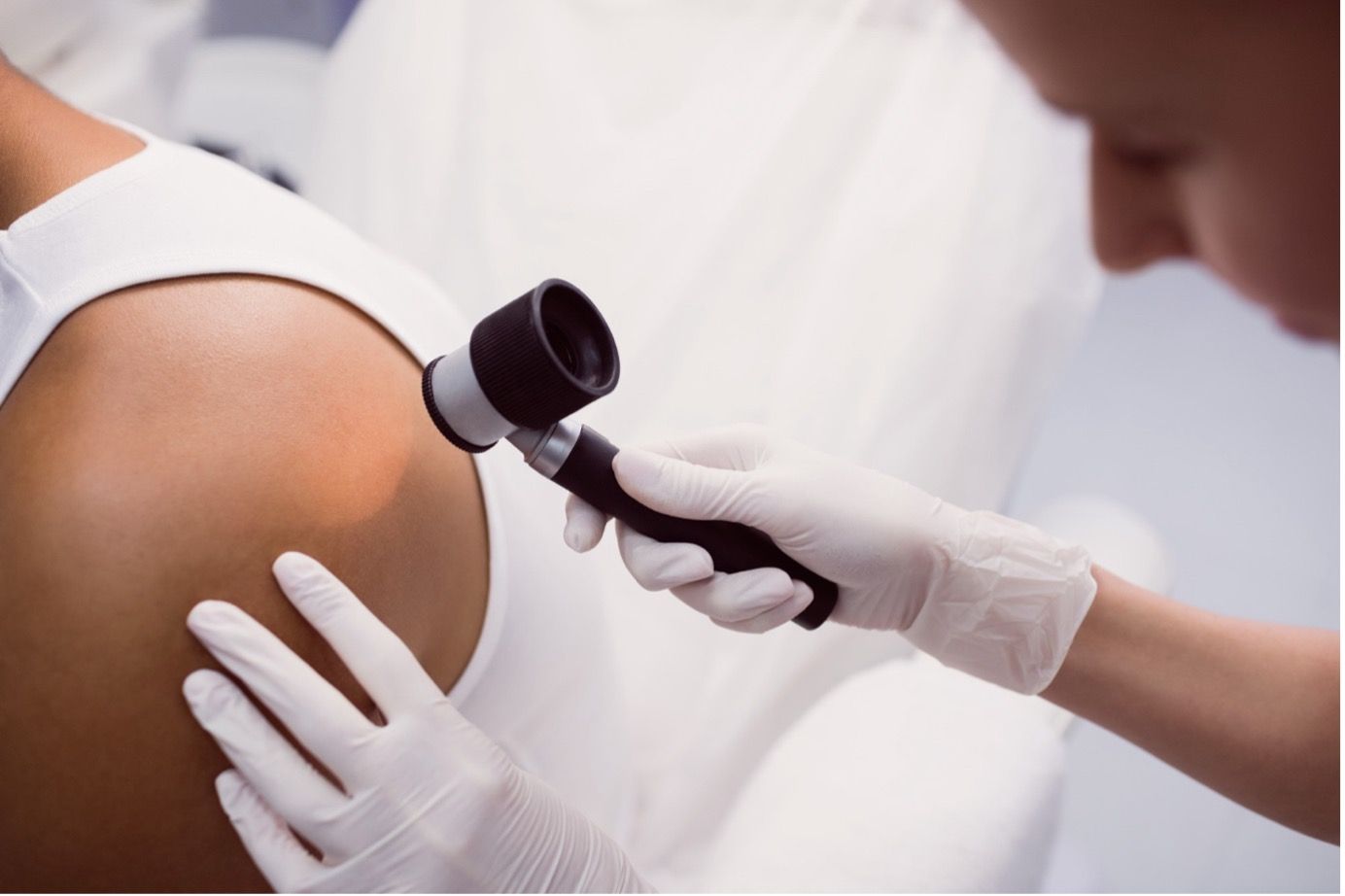
Can a GP Remove a Suspicious Lesion? What Happens After a Skin Check
By Tewantin Medical Centre Client January 20, 2026
Wondering if a GP can remove a suspicious skin lesion? Learn how skin checks work, when removal is possible, and what pathways usually follow a GP assessment.
Doctor consoles patient with hand on shoulder in light-filled office  — Tewantin Medical Centre In Tewantin, QLD
By Tewantin Medical Centre Client December 23, 2025
Many men delay seeing a doctor until symptoms worsen. Learn why men avoid GP visits, the real risks of waiting, and how seeing a men’s health doctor in Tewantin can help you take control of your long-term health.
Doctor showing ultrasound to a woman in a medical office; woman smiles, sitting on a medical bed.
By Tewantin Medical Centre Client November 18, 2025
Learn how self-collect cervical screening works, who it’s for, and what to expect. Available at Tewantin Medical Centre with supportive, women’s health-focused GPs.
Doctor writing notes on a clipboard while seated across from a person in a gray suit.
By Tewantin Medical Centre Client October 22, 2025
Many health conditions develop silently, showing little or no symptoms until they become serious. Regular health checks with your GP can help catch these issues early, making them easier to manage and often preventing long-term complications. Preventive care is one of the most important reasons to visit your GP, no matter your age or current health. This article explains what a health check usually involves, how often you should have one, and why it plays such a crucial role in preventing chronic disease. What Is a Regular Health Check? A health check is a routine appointment with your GP to review your overall wellbeing. It usually involves: Medical history review: looking at family history, lifestyle, and past health concerns Physical examination: checking weight, blood pressure, heart rate and other vital signs Blood and urine tests: to measure cholesterol, blood sugar, kidney and liver function Screening questions: covering mental health, lifestyle habits, and cancer risk factors Immunisation review: ensuring your vaccinations are up to date Depending on your age, risk factors, and current health, your GP may also recommend additional tests such as ECGs, bone density scans or skin cancer checks. Why Regular Checks Matter for Chronic Disease Prevention Chronic diseases such as diabetes, heart disease, kidney disease and some cancers are leading causes of illness in Australia. The good news is that many can be prevented or managed effectively if detected early. Health checks allow your GP to: Identify early risk factors such as high blood pressure, elevated cholesterol or weight changes Detect silent conditions like type 2 diabetes, which often has no obvious symptoms in its early stages Support lifestyle changes before problems become serious Coordinate referrals to specialists when further assessment is needed By taking a proactive approach, you’re less likely to face complications later in life and more likely to stay active and well. How Often Should You Have a Health Check? Under 30 Years Most healthy adults under 30 may only need a full health check every two to three years. However, annual visits are recommended if you have risk factors such as smoking, obesity, or a family history of chronic illness. 30 to 50 Years At this age, annual health checks become more important. Regular blood pressure, cholesterol and diabetes screenings can help detect early warning signs. Over 50 Years From age 50 onwards, yearly health checks are strongly recommended. This age group benefits from additional cancer screenings, heart health checks, and bone density assessments. Tailoring Health Checks to Individual Risk Your GP doesn’t take a one-size-fits-all approach. Instead, checks are personalised based on: Family history of conditions like heart disease, diabetes or cancer Lifestyle factors such as diet, physical activity, alcohol use and smoking Previous test results or existing conditions Workplace or travel needs that may require specific assessments For example, if you have a family history of skin cancer, your GP may recommend more frequent skin cancer checks . If you’re managing a chronic illness already, your health check will focus on ongoing monitoring and adjustment of your treatment plan. What Happens if an Issue Is Detected? If your health check identifies an area of concern, your GP will discuss next steps with you. This may include: Ordering more detailed tests Recommending lifestyle changes Prescribing medications if needed Referring you to a specialist for further investigation At Tewantin Medical Centre , our GPs also provide coordinated support through chronic disease management and health assessments to help you stay on top of your health. Overcoming Barriers to Regular Health Checks It’s common for people to delay health checks because they feel well, are too busy, or worry about costs. However, skipping preventive care can lead to bigger problems later on. Feeling fine doesn’t always mean you’re healthy – many conditions develop silently. Short appointments can fit into your schedule and provide reassurance. Medicare subsidies apply to certain health assessments, especially for older adults and people with chronic conditions. Investing in preventive care now can save you stress, time, and money in the future. Why Choose a Noosa GP for Your Health Checks? Regular health checks are most effective when you have a trusted GP who knows your health history. At Tewantin Medical Centre, our general practice team offers comprehensive health checks for patients of all ages. By working together, we can help prevent chronic disease, improve your quality of life, and support your long-term wellbeing. Disclaimer: The information provided in this blog is for general educational purposes only and should not be taken as medical advice. It is not a substitute for professional diagnosis, treatment, or care. Always seek the guidance of your doctor or other qualified healthcare professional with any questions you may have regarding your health or medical condition.
Woman scratching her back where a red rash is visible.
By Tewantin Medical Centre Client September 18, 2025
From rashes to suspicious moles, discover the common skin concerns a GP in Noosa North Shore can assess and manage.
Man with hand on forehead, looking tired, seated on a couch indoors  — Tewantin Medical Centre In Tewantin, QLD
By Tewantin Medical Centre Client September 18, 2025
Persistent tiredness shouldn’t be ignored. Learn when ongoing fatigue needs a GP assessment in Noosa and how your local doctor can help.
Woman in a Red Scarf and Sweater, Covering Her Face in a Park — Tewantin Medical Centre In Tewantin, QLD
By Tewantin Medical Centre August 18, 2025
It’s normal to feel cold on a chilly day or after swimming in cold water. But if you’re always cold, especially when others around you feel comfortable, it might be time to look into what your body is trying to tell you. Persistent cold sensitivity can be a sign of an underlying health issue, such as low iron levels, thyroid problems or poor circulation. Understanding the potential causes can help you know when to seek medical advice. Understanding Your Body’s Temperature Regulation Your body maintains a steady core temperature through a process called thermoregulation. It involves multiple systems, your brain (particularly the hypothalamus), blood vessels, muscles and fat stores, all working together to keep you warm or cool as needed. When something disrupts this balance, you may feel colder than usual, even when the environment isn’t especially cold. When Feeling Cold Might Be Normal Not all cases of feeling cold are linked to a health issue . People with a slimmer build may have less insulation, while dehydration, lack of sleep, or age-related changes in metabolism and circulation can all affect how your body regulates temperature or simply being in a cold environment without proper clothing can all make you feel colder than others. However, if you’re still feeling unusually cold despite addressing these factors, it’s a good idea to consult your GP. Common Medical Reasons for Feeling Cold All the Time Certain medical conditions can affect how your body produces or retains heat. Recognising these potential causes can help you understand why you might feel cold all the time and when it’s time to consult your doctor. 1. Iron Deficiency (Anaemia) Iron helps produce haemoglobin, a protein in red blood cells that carries oxygen throughout your body. When you’re low in iron, your cells don’t receive enough oxygen to generate heat efficiently. Symptoms may include: Constant fatigue Pale skin Shortness of breath Dizziness Cold hands and feet Iron deficiency is especially common in menstruating women, vegetarians and people with chronic blood loss or poor absorption. 2. Hypothyroidism (Underactive Thyroid) The thyroid gland regulates metabolism, which influences how much heat your body produces. When your thyroid is underactive, everything slows down including your ability to generate warmth. Symptoms may include: Constant cold feeling Weight gain Dry skin Constipation Depression or sluggishness Hypothyroidism is commonly caused by autoimmune conditions like Hashimoto’s thyroiditis. 3. Poor Circulation Reduced blood flow means less warmth reaches your extremities. This is often noticeable in the hands and feet and may be due to: Raynaud’s phenomenon Peripheral artery disease Cardiovascular disease Diabetes-related vascular changes 4. Low Body Weight or Malnutrition When the body lacks sufficient fat or calories, it struggles to maintain warmth due to reduced insulation and energy reserves. This is often seen in people with eating disorders, chronic illnesses, cancer, or in older adults with poor appetite or limited access to nutritious food. 5. Hormonal Changes Hormones like oestrogen and progesterone affect body temperature. Women may notice increased cold sensitivity during certain times in their menstrual cycle or during menopause. 6. Diabetes and Blood Sugar Issues Blood sugar fluctuations can affect your circulation and nervous system, particularly in people with uncontrolled or long-standing diabetes. This can lead to cold extremities and impaired temperature perception. 7. Chronic Fatigue Syndrome or Fibromyalgia These conditions are associated with heightened sensitivity to cold, pain and fatigue. The exact cause isn’t fully understood but may involve nervous system dysregulation. 8. Medications That May Cause Cold Sensitivity Certain drugs can make you more sensitive to cold, including: Beta-blockers (for high blood pressure) Some antidepressants Certain chemotherapy agents Drugs affecting thyroid function If you suspect a medication is contributing, speak to your doctor before making any changes. 9. Other Less Common Medical Conditions These may include: Kidney disease Pituitary or adrenal gland disorders Chronic infections B12 deficiency While rare, these conditions may show up as cold intolerance alongside other systemic symptoms. When to See a GP About Feeling Cold All the Time You should book a GP appointment if your cold sensitivity is: Persistent and unexplained Accompanied by symptoms like fatigue, weight changes, or changes in mood Causing disruption to your daily life or sleep Affecting your ability to exercise or tolerate usual temperatures Early diagnosis and treatment can prevent complications, especially in cases of anaemia, thyroid dysfunction or circulatory problems. Tests Your Doctor May Recommend To understand why you’re feeling cold all the time, your GP may order blood tests to check iron levels, thyroid function, vitamin B12, and general health markers. Blood sugar and urine tests can help rule out diabetes or kidney issues. If circulation problems are suspected, you may need an ECG or imaging. In some cases, you might be referred to a specialist for further assessment. Managing Cold Sensitivity at Home While your GP works to identify the cause, a few simple steps may help you stay more comfortable: Dress in warm layers using thermal or wool fabrics. Use heated blankets or hot water bottles to maintain warmth, especially at night. Eat a balanced diet with plenty of iron, protein and healthy fats. Stay hydrated to support your body’s temperature regulation. Move regularly during the day to improve circulation. Track your symptoms , noting when you feel cold and any patterns that emerge. These steps won’t replace medical advice, but they can help you feel more at ease while you seek answers. Don’t Ignore Persistent Cold Sensations If you’re feeling cold all the time and unsure why, Tewantin Medical Centre is here to support you. Our GP doctors can assess your symptoms, arrange necessary tests, and help determine if conditions like low iron, thyroid dysfunction or circulation issues may be the cause. If your body is sending signals, don’t ignore them. Book a consultation with your GP to discuss your symptoms and get the support you need for your long-term health and wellbeing.
Woman in White Shirt, Hands on Chest, Struggling to Breathe, by a Window — Tewantin Medical Centre In Tewantin, QLD
By Tewantin Medical Centre August 18, 2025
Asthma is a long-term respiratory condition that affects millions of people around the world, including many in Australia. Characterised by inflammation and narrowing of the airways, asthma can cause wheezing, coughing, chest tightness and difficulty breathing. While many people manage their asthma with medications and an action plan, there are times when symptoms may worsen or become difficult to control. Knowing when to see a GP can help prevent serious complications and ensure your condition remains well-managed. This article explains the key signs that suggest you should book an appointment with your GP and when urgent or emergency care may be required. When Your Asthma Symptoms Require a GP Visit Even if you’ve had asthma for years and feel comfortable managing it , it’s important not to ignore changes in your symptoms or triggers. The following signs suggest your asthma may be worsening or not as well-controlled as it should be. 1. Persistent Coughing or Wheezing If you have a cough that lingers for more than a few days or wheezing that gets worse over time particularly at night or early in the morning, this could signal poor asthma control. Even if the symptoms seem mild, they can indicate airway inflammation that may need medical attention. 2. Increased Shortness of Breath Finding it hard to catch your breath during normal activities such as walking, climbing stairs or light exercise is a red flag. If you notice you’re avoiding certain activities due to breathlessness, speak to your GP to reassess your treatment plan. 3. Chest Tightness or Discomfort A feeling of pressure, heaviness or tightness in the chest can be a sign that your airways are inflamed and narrowing. This symptom is often underestimated but should never be ignored, especially if it occurs frequently or is disrupting sleep. 4. Frequent Use of Reliever Inhalers Using your reliever (short-acting bronchodilator) more than twice a week could be a sign that your asthma is not under control. Your GP can review your current medication plan and consider adjusting your preventer treatment if needed. 5. Disrupted Sleep Waking up in the night due to coughing, wheezing or shortness of breath is a common indicator that your asthma may be flaring up. Regular sleep disturbance due to asthma should prompt a visit to your doctor for further evaluation. 6. Decreased Tolerance for Exercise If your exercise capacity has reduced or you’re experiencing symptoms during or after physical activity, your asthma may not be adequately managed. This is especially important for children, teens and active adults. Signs of a Severe Asthma Flare-Up: When to Seek Emergency Care Asthma flare-ups or attacks can become dangerous without prompt treatment. The following symptoms require urgent assessment and potentially emergency care: Severe Shortness of Breath If you’re gasping for air, unable to speak in full sentences, or struggling to breathe even while sitting still, this is a medical emergency. You may need oxygen support and immediate bronchodilator treatment. Blue Lips or Fingernails A bluish colour around the lips or fingertips indicates a drop in oxygen levels in the blood (cyanosis) and requires urgent medical help. No Relief After Using a Reliever Inhaler If you’ve used your reliever medication (e.g., Ventolin) but your symptoms don’t improve within 15–20 minutes, or worsen afterward, call emergency services. Delayed treatment in this scenario can be life-threatening. Rapid Breathing and Chest Retractions Very fast breathing, flaring of the nostrils, and visible sucking in of the skin between the ribs or around the neck (known as chest retractions) are signs of significant respiratory distress. If any of these symptoms occur, call (000) immediately or go to your nearest emergency department. How Your GP Can Support Long-Term Asthma Management Seeing a GP about your asthma is not just for emergencies. A general practitioner can provide comprehensive care to help you manage asthma effectively on a long-term basis. Your GP can: Confirm your asthma diagnosis using lung function tests such as spirometry Assess your current medication and inhaler technique Identify your asthma triggers (e.g., allergens, exercise, cold air, respiratory infections) Develop or update your asthma action plan – a written guide on how to manage symptoms and what to do if they worsen Refer you to a respiratory specialist if your asthma is not responding to standard treatments Regular asthma reviews with your GP (every 6–12 months or sooner if needed) help ensure your condition remains stable and controlled. Asthma Triggers in the Noosa Region If you live in or around the Noosa region , it’s worth being mindful of seasonal and environmental factors that can affect asthma. These include: Pollen counts – Higher in spring and early summer, often triggering allergic asthma Bushfire smoke – Air pollution from nearby fires can irritate the airways Humidity and mould – Coastal climates may increase exposure to moisture and indoor mould spores, which can worsen symptoms Respiratory viruses – Winter months (like June) often bring colds and flu, which can trigger asthma attacks Speak with your GP about local asthma triggers and how to protect yourself year-round. You may benefit from flu and COVID-19 vaccinations, particularly if you have moderate to severe asthma. Don’t Ignore Changes in Your Asthma Symptoms Asthma is a treatable condition, but it requires regular monitoring and appropriate medical care. If you’re noticing changes in your symptoms, relying more on your reliever inhaler, or avoiding activities due to breathlessness, it’s time to book a GP appointment. Early medical intervention helps reduce the risk of severe attacks, hospitalisations, and long-term damage. Don’t wait, speak with your GP to keep your asthma under control and support your ongoing respiratory health. Need an asthma review or help managing your symptoms? Book an appointment today at Tewantin Medical Centre to take the next step in protecting your health.
Show More