Flu Shot Side Effects: Managing Flu-Like Symptoms

Tewantin Medical Centre • August 18, 2025
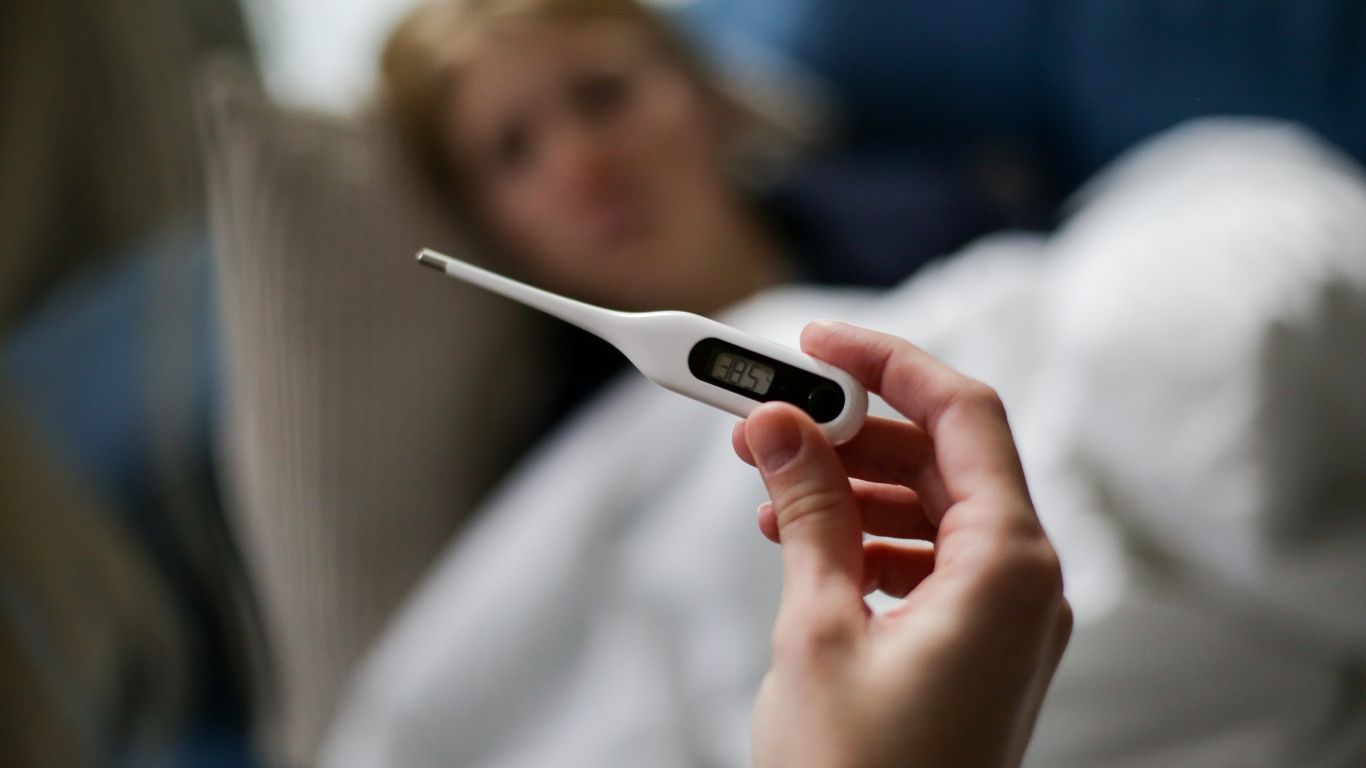
Person lying in bed while another hand holds a digital thermometer displaying a temperature of 38.5°C, indicating a fever.

With over 63,000 influenza cases reported in Australia this year—surpassing totals from both 2023 and 2024—health authorities are urging Australians to get vaccinated . While the flu vaccine is safe and effective, it’s natural to have questions about potential side effects. This guide provides detailed insights into common and rare reactions, helping you understand what to expect after vaccination.


Common Side Effects of the Flu Vaccine


Most people tolerate the flu shot well, with only mild and short-lived side effects. These are a normal sign that your body is developing immunity.


Typical side effects include:


  • Soreness, redness or swelling at the injection site
  • Muscle aches or joint pain
  • Mild fever
  • Fatigue or tiredness
  • Headache
  • Occasionally, a small lump at the injection site (may last a few weeks)


These symptoms usually start within 12–24 hours of the injection and resolve within 1–3 days. You can manage discomfort with rest, fluids, and over-the-counter pain relievers like paracetamol or ibuprofen.


Can the Flu Shot Cause the Flu?


No, the flu vaccine cannot cause the flu. It contains inactivated (killed) viruses or purified viral proteins, which means it cannot cause infection.


Some people report feeling “flu-like” symptoms after vaccination, such as fatigue, muscle aches, or mild fever. These are signs that your immune system is responding to the vaccine, not indications of actual influenza.


Understanding Flu-Like Symptoms Post-Vaccination


Feeling a bit under the weather after your flu shot? That’s common and often described as “flu-like” symptoms, which may include:


  • Low-grade fever (under 38.5°C)
  • Mild chills
  • Generalised muscle aches
  • Fatigue or drowsiness
  • Headache


These symptoms are usually short-lived and much milder than actual influenza. They’re a sign your body is creating antibodies to protect you. If these symptoms persist beyond a few days or worsen, contact your GP.


How Long Do Side Effects Last?


Most side effects appear within the first day after vaccination and typically last between 1 to 3 days. Redness or tenderness at the injection site may linger slightly longer.


If side effects persist for more than 3 days, or if you feel unusually unwell, consult your healthcare provider to rule out other causes.


Are Severe Reactions Possible?


Severe side effects following a flu vaccination are very rare. These may include:


  • Severe allergic reaction (anaphylaxis)
  • Guillain-Barré Syndrome (GBS), a rare autoimmune condition


The risk of GBS after the flu shot is extremely low—about 1 in a million doses. If you’ve experienced GBS before or have concerns about severe reactions, speak to your GP before vaccination.


Is It Normal to Feel Unwell After the Flu Vaccine?


Yes, it’s completely normal to feel a little off for a day or two after the flu shot. Common post-vaccine symptoms like fatigue, mild fever, or chills are all indicators that your body is building immunity.


This does not mean you’re sick. In fact, these side effects are usually milder than the actual flu, which can lead to weeks of illness or complications in vulnerable groups.


Can I Take Pain Relief After the Flu Shot?


Yes. Pain relief medicines like paracetamol or  ibuprofen can help reduce symptoms like:


  • Fever
  • Headache
  • Muscle soreness
  • Injection site pain


Always follow the dosage instructions and consult a pharmacist or GP if you’re unsure.


Flu Vaccination and Egg Allergy


Most flu vaccines available in Australia are manufactured using an egg-based process, which may result in the presence of very small amounts of egg protein. However, studies have shown that individuals with egg allergies, including those with a history of anaphylaxis, can safely receive the influenza vaccine. It’s important to discuss any allergies with your healthcare provider before vaccination.


Can I Get the Flu Shot and COVID-19 Vaccine Together?


Yes. It is safe to receive both the flu and COVID-19 vaccines at the same visit. You might experience a few more side effects—such as fatigue or muscle aches—but these are usually mild and temporary.


Conclusion


While the flu shot can cause some mild side effects, they are far outweighed by the benefits of protection against a potentially serious illness. With flu cases rising earlier and more aggressively this year, now is the time to protect yourself and your community.


If you’re unsure whether the flu vaccine is right for you, or if you’ve experienced vaccine side effects before, speak with your GP for personalised advice.


Need Advice From a GP?


If you’re unsure whether the flu vaccine is right for you or have concerns about side effects, talk to your local GP. At Tewantin Medical Centre, we provide personalised advice for patients across Tewantin, Noosa Heads, Noosaville, and surrounding areas — tailored to your health history, allergies, and lifestyle.

Woman in a Red Scarf and Sweater, Covering Her Face in a Park — Tewantin Medical Centre In Tewantin, QLD
By Tewantin Medical Centre August 18, 2025
It’s normal to feel cold on a chilly day or after swimming in cold water. But if you’re always cold, especially when others around you feel comfortable, it might be time to look into what your body is trying to tell you. Persistent cold sensitivity can be a sign of an underlying health issue, such as low iron levels, thyroid problems or poor circulation. Understanding the potential causes can help you know when to seek medical advice. Understanding Your Body’s Temperature Regulation Your body maintains a steady core temperature through a process called thermoregulation. It involves multiple systems, your brain (particularly the hypothalamus), blood vessels, muscles and fat stores, all working together to keep you warm or cool as needed. When something disrupts this balance, you may feel colder than usual, even when the environment isn’t especially cold. When Feeling Cold Might Be Normal Not all cases of feeling cold are linked to a health issue . People with a slimmer build may have less insulation, while dehydration, lack of sleep, or age-related changes in metabolism and circulation can all affect how your body regulates temperature or simply being in a cold environment without proper clothing can all make you feel colder than others. However, if you’re still feeling unusually cold despite addressing these factors, it’s a good idea to consult your GP. Common Medical Reasons for Feeling Cold All the Time Certain medical conditions can affect how your body produces or retains heat. Recognising these potential causes can help you understand why you might feel cold all the time and when it’s time to consult your doctor. 1. Iron Deficiency (Anaemia) Iron helps produce haemoglobin, a protein in red blood cells that carries oxygen throughout your body. When you’re low in iron, your cells don’t receive enough oxygen to generate heat efficiently. Symptoms may include: Constant fatigue Pale skin Shortness of breath Dizziness Cold hands and feet Iron deficiency is especially common in menstruating women, vegetarians and people with chronic blood loss or poor absorption. 2. Hypothyroidism (Underactive Thyroid) The thyroid gland regulates metabolism, which influences how much heat your body produces. When your thyroid is underactive, everything slows down including your ability to generate warmth. Symptoms may include: Constant cold feeling Weight gain Dry skin Constipation Depression or sluggishness Hypothyroidism is commonly caused by autoimmune conditions like Hashimoto’s thyroiditis. 3. Poor Circulation Reduced blood flow means less warmth reaches your extremities. This is often noticeable in the hands and feet and may be due to: Raynaud’s phenomenon Peripheral artery disease Cardiovascular disease Diabetes-related vascular changes 4. Low Body Weight or Malnutrition When the body lacks sufficient fat or calories, it struggles to maintain warmth due to reduced insulation and energy reserves. This is often seen in people with eating disorders, chronic illnesses, cancer, or in older adults with poor appetite or limited access to nutritious food. 5. Hormonal Changes Hormones like oestrogen and progesterone affect body temperature. Women may notice increased cold sensitivity during certain times in their menstrual cycle or during menopause. 6. Diabetes and Blood Sugar Issues Blood sugar fluctuations can affect your circulation and nervous system, particularly in people with uncontrolled or long-standing diabetes. This can lead to cold extremities and impaired temperature perception. 7. Chronic Fatigue Syndrome or Fibromyalgia These conditions are associated with heightened sensitivity to cold, pain and fatigue. The exact cause isn’t fully understood but may involve nervous system dysregulation. 8. Medications That May Cause Cold Sensitivity Certain drugs can make you more sensitive to cold, including: Beta-blockers (for high blood pressure) Some antidepressants Certain chemotherapy agents Drugs affecting thyroid function If you suspect a medication is contributing, speak to your doctor before making any changes. 9. Other Less Common Medical Conditions These may include: Kidney disease Pituitary or adrenal gland disorders Chronic infections B12 deficiency While rare, these conditions may show up as cold intolerance alongside other systemic symptoms. When to See a GP About Feeling Cold All the Time You should book a GP appointment if your cold sensitivity is: Persistent and unexplained Accompanied by symptoms like fatigue, weight changes, or changes in mood Causing disruption to your daily life or sleep Affecting your ability to exercise or tolerate usual temperatures Early diagnosis and treatment can prevent complications, especially in cases of anaemia, thyroid dysfunction or circulatory problems. Tests Your Doctor May Recommend To understand why you’re feeling cold all the time, your GP may order blood tests to check iron levels, thyroid function, vitamin B12, and general health markers. Blood sugar and urine tests can help rule out diabetes or kidney issues. If circulation problems are suspected, you may need an ECG or imaging. In some cases, you might be referred to a specialist for further assessment. Managing Cold Sensitivity at Home While your GP works to identify the cause, a few simple steps may help you stay more comfortable: Dress in warm layers using thermal or wool fabrics. Use heated blankets or hot water bottles to maintain warmth, especially at night. Eat a balanced diet with plenty of iron, protein and healthy fats. Stay hydrated to support your body’s temperature regulation. Move regularly during the day to improve circulation. Track your symptoms , noting when you feel cold and any patterns that emerge. These steps won’t replace medical advice, but they can help you feel more at ease while you seek answers. Don’t Ignore Persistent Cold Sensations If you’re feeling cold all the time and unsure why, Tewantin Medical Centre is here to support you. Our GP doctors can assess your symptoms, arrange necessary tests, and help determine if conditions like low iron, thyroid dysfunction or circulation issues may be the cause. If your body is sending signals, don’t ignore them. Book a consultation with your GP to discuss your symptoms and get the support you need for your long-term health and wellbeing.
Woman in White Shirt, Hands on Chest, Struggling to Breathe, by a Window — Tewantin Medical Centre In Tewantin, QLD
By Tewantin Medical Centre August 18, 2025
Asthma is a long-term respiratory condition that affects millions of people around the world, including many in Australia. Characterised by inflammation and narrowing of the airways, asthma can cause wheezing, coughing, chest tightness and difficulty breathing. While many people manage their asthma with medications and an action plan, there are times when symptoms may worsen or become difficult to control. Knowing when to see a GP can help prevent serious complications and ensure your condition remains well-managed. This article explains the key signs that suggest you should book an appointment with your GP and when urgent or emergency care may be required. When Your Asthma Symptoms Require a GP Visit Even if you’ve had asthma for years and feel comfortable managing it , it’s important not to ignore changes in your symptoms or triggers. The following signs suggest your asthma may be worsening or not as well-controlled as it should be. 1. Persistent Coughing or Wheezing If you have a cough that lingers for more than a few days or wheezing that gets worse over time particularly at night or early in the morning, this could signal poor asthma control. Even if the symptoms seem mild, they can indicate airway inflammation that may need medical attention. 2. Increased Shortness of Breath Finding it hard to catch your breath during normal activities such as walking, climbing stairs or light exercise is a red flag. If you notice you’re avoiding certain activities due to breathlessness, speak to your GP to reassess your treatment plan. 3. Chest Tightness or Discomfort A feeling of pressure, heaviness or tightness in the chest can be a sign that your airways are inflamed and narrowing. This symptom is often underestimated but should never be ignored, especially if it occurs frequently or is disrupting sleep. 4. Frequent Use of Reliever Inhalers Using your reliever (short-acting bronchodilator) more than twice a week could be a sign that your asthma is not under control. Your GP can review your current medication plan and consider adjusting your preventer treatment if needed. 5. Disrupted Sleep Waking up in the night due to coughing, wheezing or shortness of breath is a common indicator that your asthma may be flaring up. Regular sleep disturbance due to asthma should prompt a visit to your doctor for further evaluation. 6. Decreased Tolerance for Exercise If your exercise capacity has reduced or you’re experiencing symptoms during or after physical activity, your asthma may not be adequately managed. This is especially important for children, teens and active adults. Signs of a Severe Asthma Flare-Up: When to Seek Emergency Care Asthma flare-ups or attacks can become dangerous without prompt treatment. The following symptoms require urgent assessment and potentially emergency care: Severe Shortness of Breath If you’re gasping for air, unable to speak in full sentences, or struggling to breathe even while sitting still, this is a medical emergency. You may need oxygen support and immediate bronchodilator treatment. Blue Lips or Fingernails A bluish colour around the lips or fingertips indicates a drop in oxygen levels in the blood (cyanosis) and requires urgent medical help. No Relief After Using a Reliever Inhaler If you’ve used your reliever medication (e.g., Ventolin) but your symptoms don’t improve within 15–20 minutes, or worsen afterward, call emergency services. Delayed treatment in this scenario can be life-threatening. Rapid Breathing and Chest Retractions Very fast breathing, flaring of the nostrils, and visible sucking in of the skin between the ribs or around the neck (known as chest retractions) are signs of significant respiratory distress. If any of these symptoms occur, call (000) immediately or go to your nearest emergency department. How Your GP Can Support Long-Term Asthma Management Seeing a GP about your asthma is not just for emergencies. A general practitioner can provide comprehensive care to help you manage asthma effectively on a long-term basis. Your GP can: Confirm your asthma diagnosis using lung function tests such as spirometry Assess your current medication and inhaler technique Identify your asthma triggers (e.g., allergens, exercise, cold air, respiratory infections) Develop or update your asthma action plan – a written guide on how to manage symptoms and what to do if they worsen Refer you to a respiratory specialist if your asthma is not responding to standard treatments Regular asthma reviews with your GP (every 6–12 months or sooner if needed) help ensure your condition remains stable and controlled. Asthma Triggers in the Noosa Region If you live in or around the Noosa region , it’s worth being mindful of seasonal and environmental factors that can affect asthma. These include: Pollen counts – Higher in spring and early summer, often triggering allergic asthma Bushfire smoke – Air pollution from nearby fires can irritate the airways Humidity and mould – Coastal climates may increase exposure to moisture and indoor mould spores, which can worsen symptoms Respiratory viruses – Winter months (like June) often bring colds and flu, which can trigger asthma attacks Speak with your GP about local asthma triggers and how to protect yourself year-round. You may benefit from flu and COVID-19 vaccinations, particularly if you have moderate to severe asthma. Don’t Ignore Changes in Your Asthma Symptoms Asthma is a treatable condition, but it requires regular monitoring and appropriate medical care. If you’re noticing changes in your symptoms, relying more on your reliever inhaler, or avoiding activities due to breathlessness, it’s time to book a GP appointment. Early medical intervention helps reduce the risk of severe attacks, hospitalisations, and long-term damage. Don’t wait, speak with your GP to keep your asthma under control and support your ongoing respiratory health. Need an asthma review or help managing your symptoms? Book an appointment today at Tewantin Medical Centre to take the next step in protecting your health.
Dermatologist Using a Dermatoscope to Examine Skin Lesion on a Patient's Shoulder — Tewantin Medical Centre In Tewantin, QLD
By Tewantin Medical Centre August 18, 2025
Skin cancer is one of the most common cancers affecting Australians, with the country experiencing some of the highest rates globally. Understanding the risks, signs, and treatment options can save lives. In this comprehensive guide, we cover key facts and information to help you stay proactive about your skin health. Recognising the Signs of Skin Cancer Skin cancer can appear in various forms, depending on the type and location. It may be subtle, which is why regular checks are important. Common appearances include: New spots or growths that don’t heal Moles that change in size, colour, shape, or texture Flat, scaly patches of skin Lumps that may be shiny, pearly, red, or translucent Lesions that bleed, itch, or crust over It’s important to become familiar with your skin and report any new or changing spots to your doctor promptly. Can People With Dark Skin Get Skin Cancer? Yes, individuals of all skin tones can develop skin cancer. However, it’s a dangerous myth that people with dark skin are immune. In fact, skin cancer in people with darker skin is often diagnosed at later stages, leading to worse outcomes. Can Skin Cancer Appear on Areas Not Exposed to the Sun? Although UV exposure is a leading cause, skin cancer can also develop in areas that are not regularly exposed to sunlight, including: Under fingernails and toenails Genital and anal areas Inside the mouth or nose Palms and soles (particularly in acral lentiginous melanoma) That’s why full-body skin checks matter—skin cancer can develop even in areas that aren’t usually exposed to the sun. Types of Skin Cancer There are three main types of skin cancer: Basal Cell Carcinoma (BCC): The most common form, usually slow-growing and less likely to spread. Appears as pearly or waxy bumps, often on the face or neck. Squamous Cell Carcinoma (SCC): Typically appears as red, scaly patches or firm nodules. More likely to spread than BCC. Melanoma: The most aggressive type, arising in existing moles or appearing as a new dark spot. Early detection is critical as melanoma can spread rapidly. Other rare types include Merkel cell carcinoma and Kaposi sarcoma.
Female Nurse Taking an Elderly Man’s Blood Pressure at a Desk in an Office — Tewantin Medical Centre In Tewantin, QLD
By Tewantin Medical Centre August 18, 2025
Discover the key health checks every Australian should have, customised for your age group. From childhood vaccinations to important screenings for older adults, our comprehensive guide ensures you stay proactive in managing your health at every life stage.
Woman Holding Her Neck With a Pained Expression, Indicating a Sore Throat — Tewantin Medical Centre In Tewantin, QLD
By Tewantin Medical Centre August 18, 2025
Discover the differences between Strep Throat and the Flu. Can the flu cause strep throat? Can you have both? Learn the key symptoms, causes, and treatments, and find out why recognising the differences matters for your health this flu season.